Workwear and uniforms made to order in Bangladesh, built for the working day and the wash cycle.
Uniforms & Workwear
Workwear and uniforms made to order in Bangladesh for employers, uniform suppliers and distributors. Every style is built to your specification, your colours and your label, and reorders run to the same approved standard.
| Fabric | Poly cotton twill, drill, canvas, ripstop and fluorescent polyester |
| Weight | 140 to 320 GSM |
| Sizes | XS to 3XL, age runs for school uniforms |
| Colours | Your company colours, lab-dip approved |
| Customising | Embroidery, heat transfers and your company logo |
| Origin | Made in Bangladesh |
Uniforms & Workwear products
 Bulk WorkwearPrice on request
 Chef UniformsPrice on request
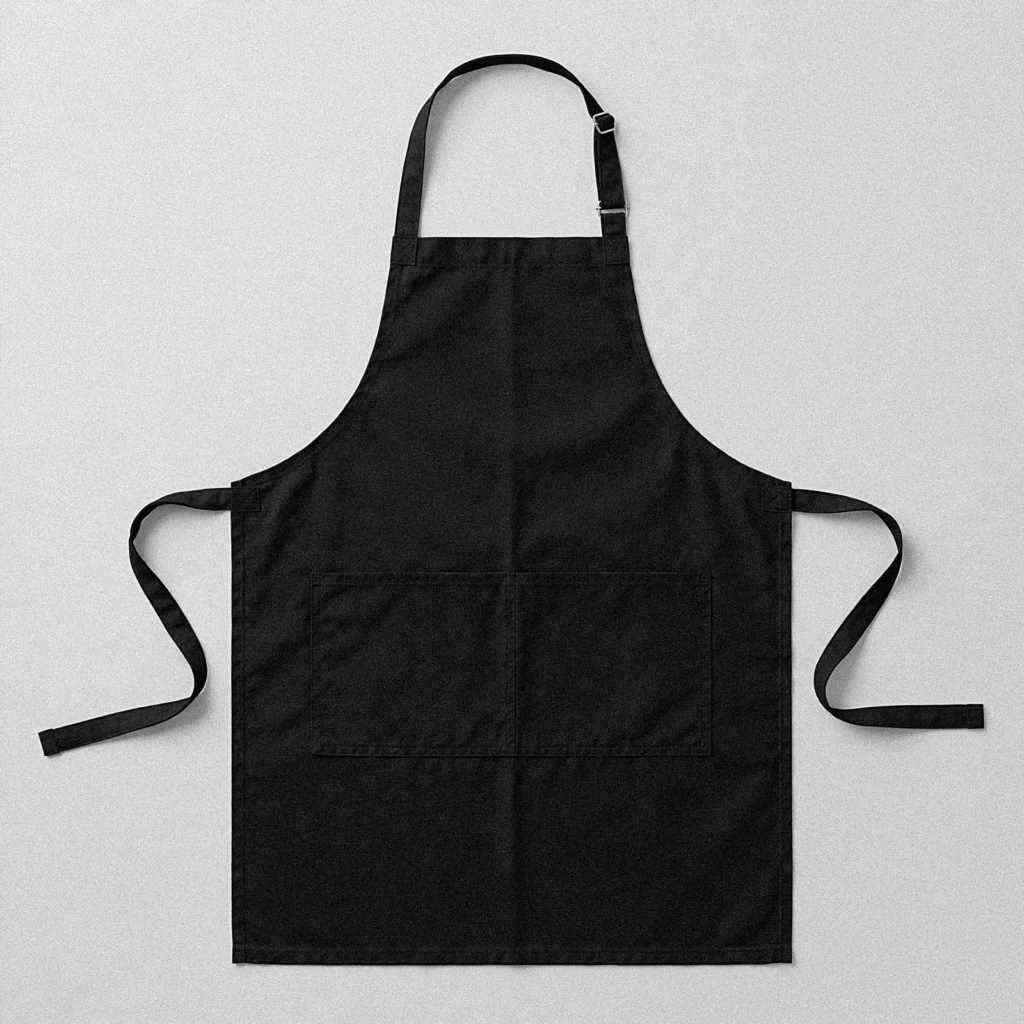 Custom ApronsPrice on request
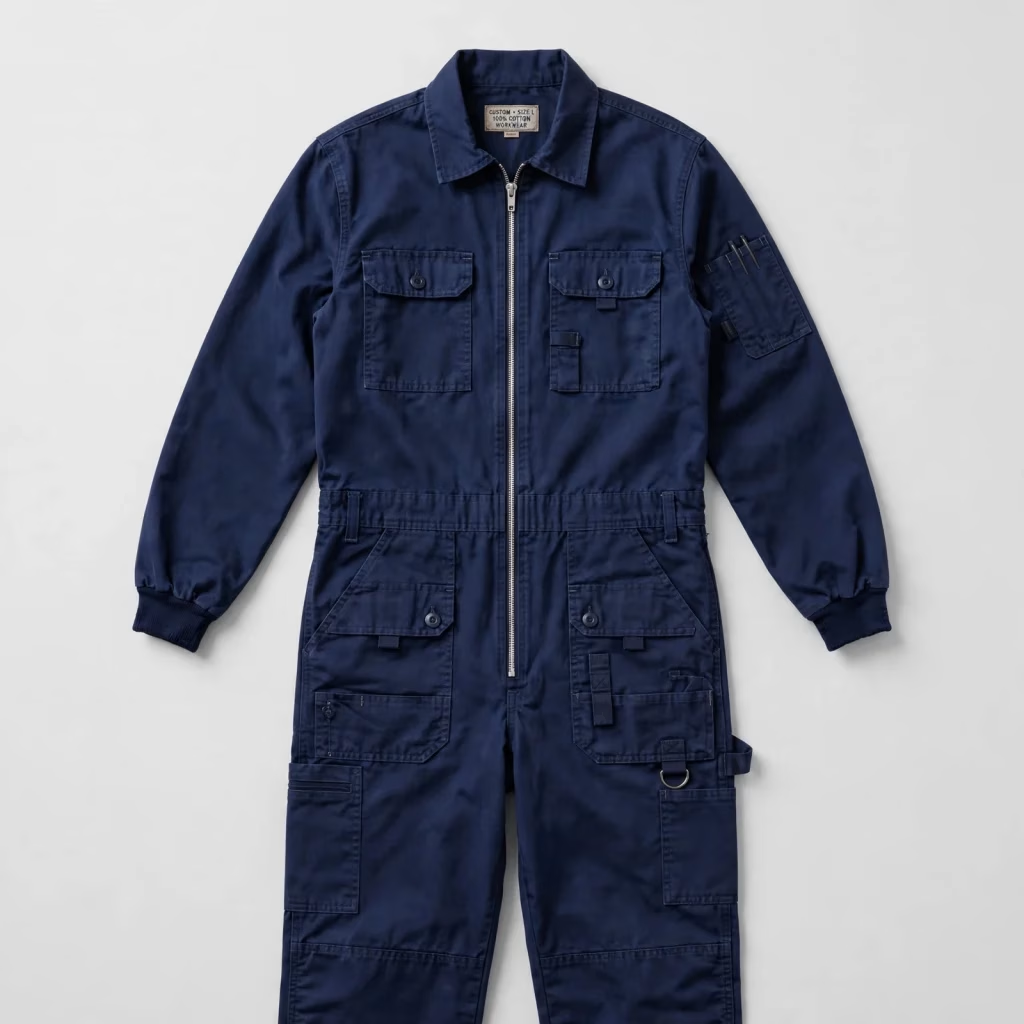 Custom CoverallsPrice on request
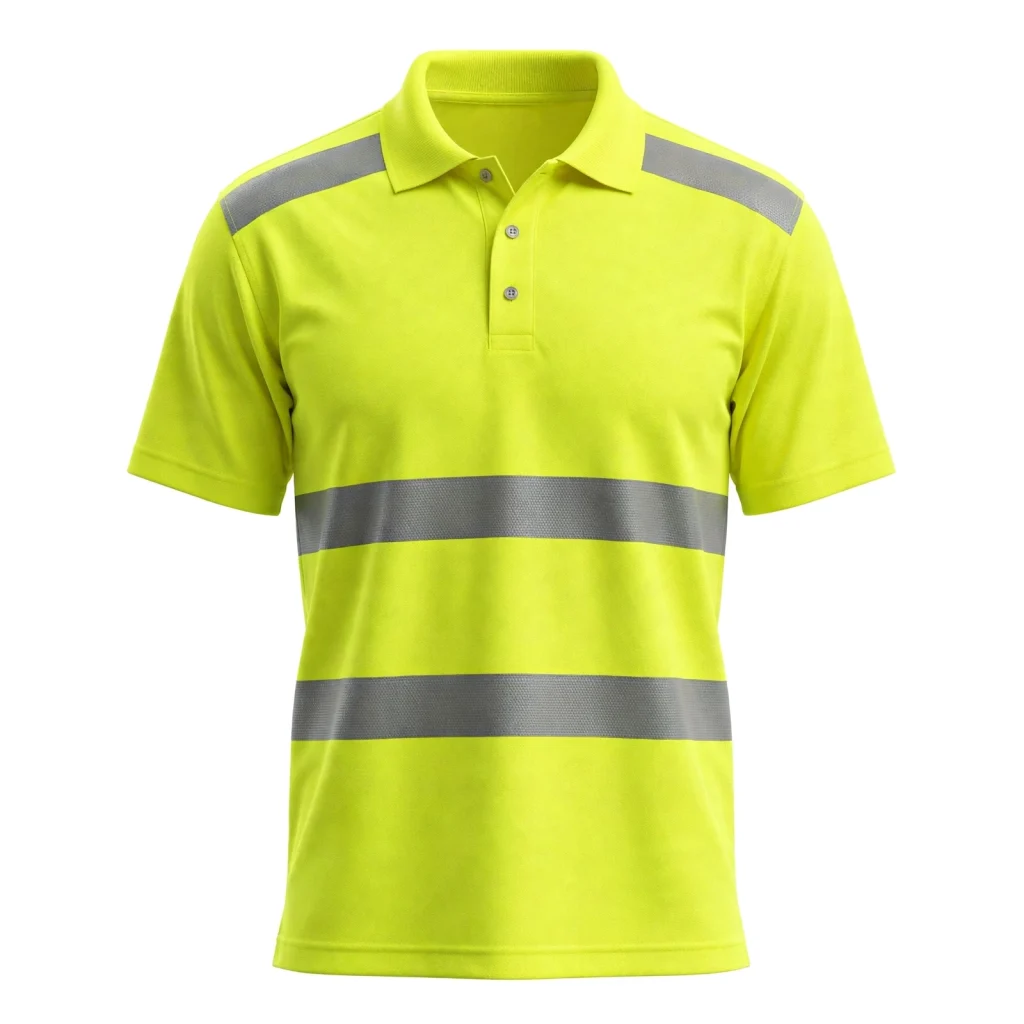 Custom Hi-Vis WorkwearPrice on request
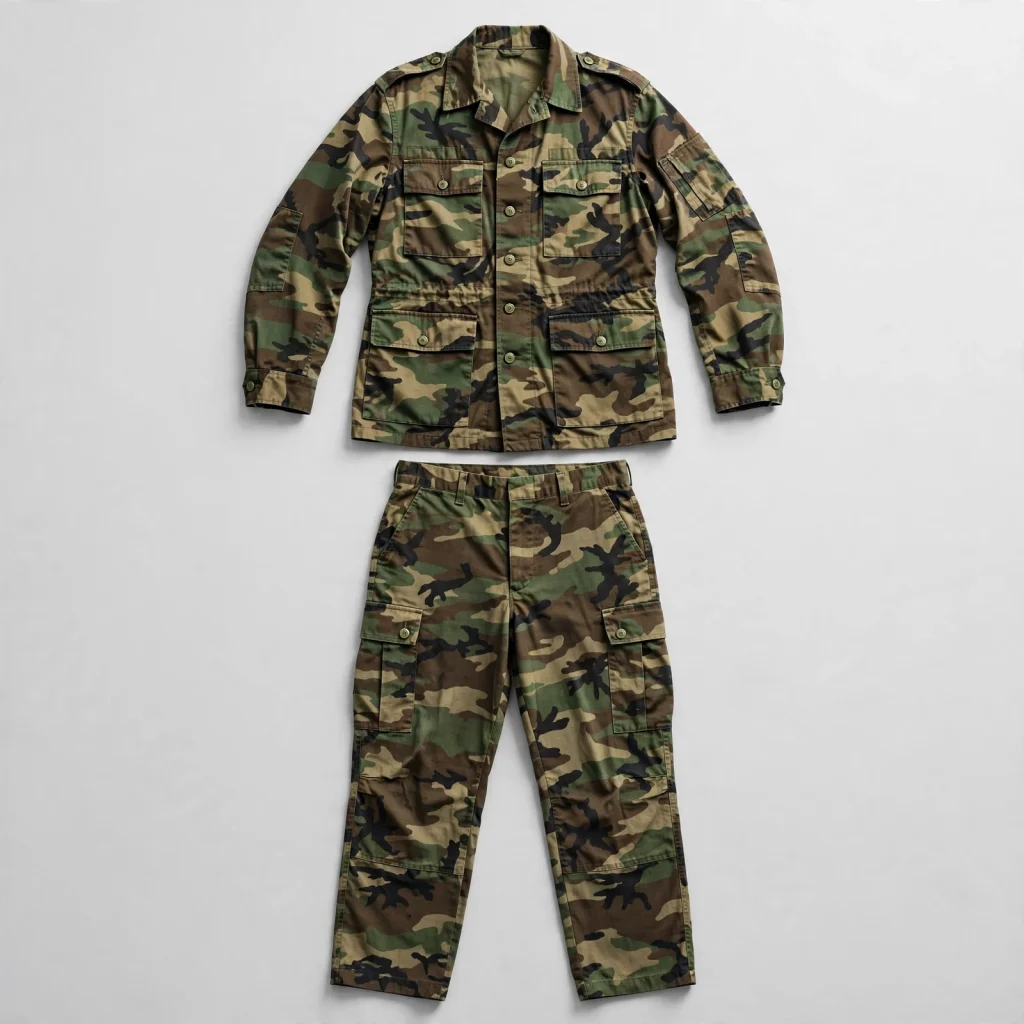 Custom Military UniformsPrice on request
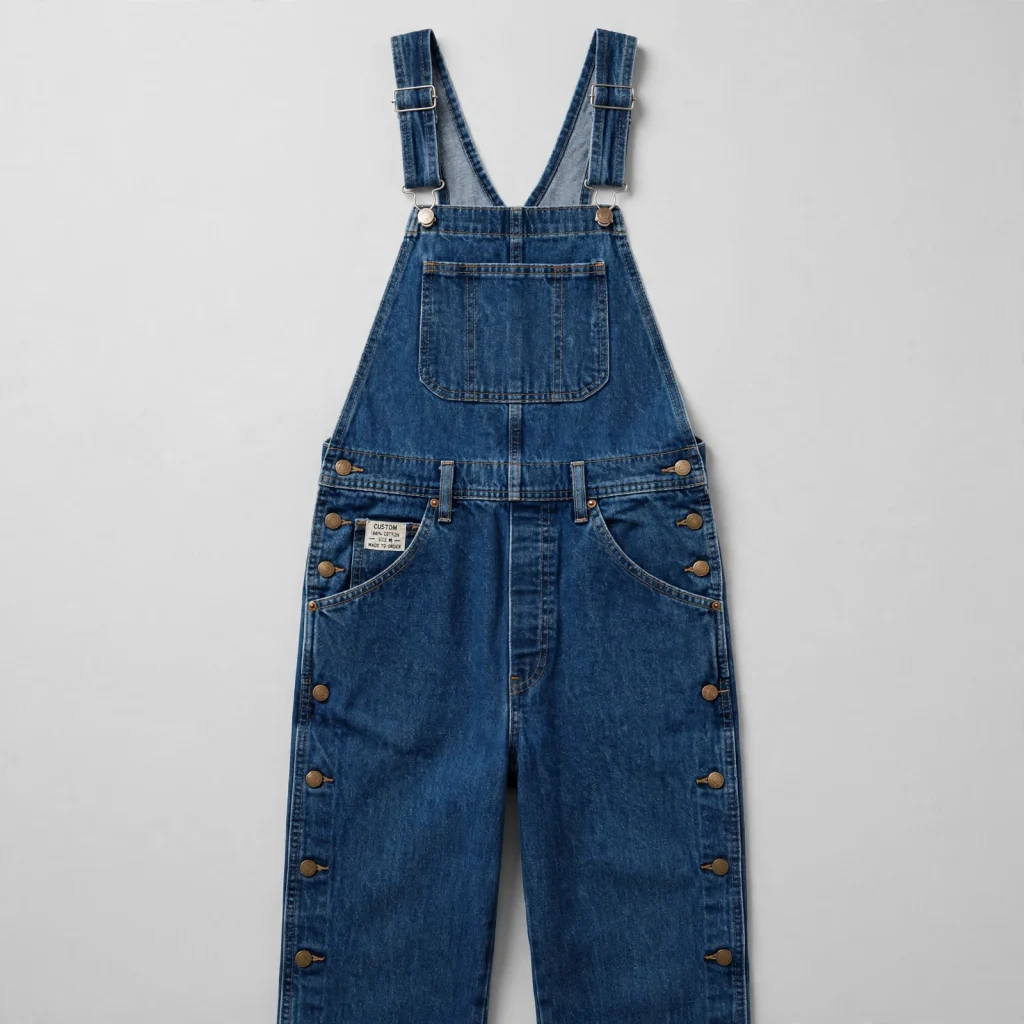 Custom OverallsPrice on request
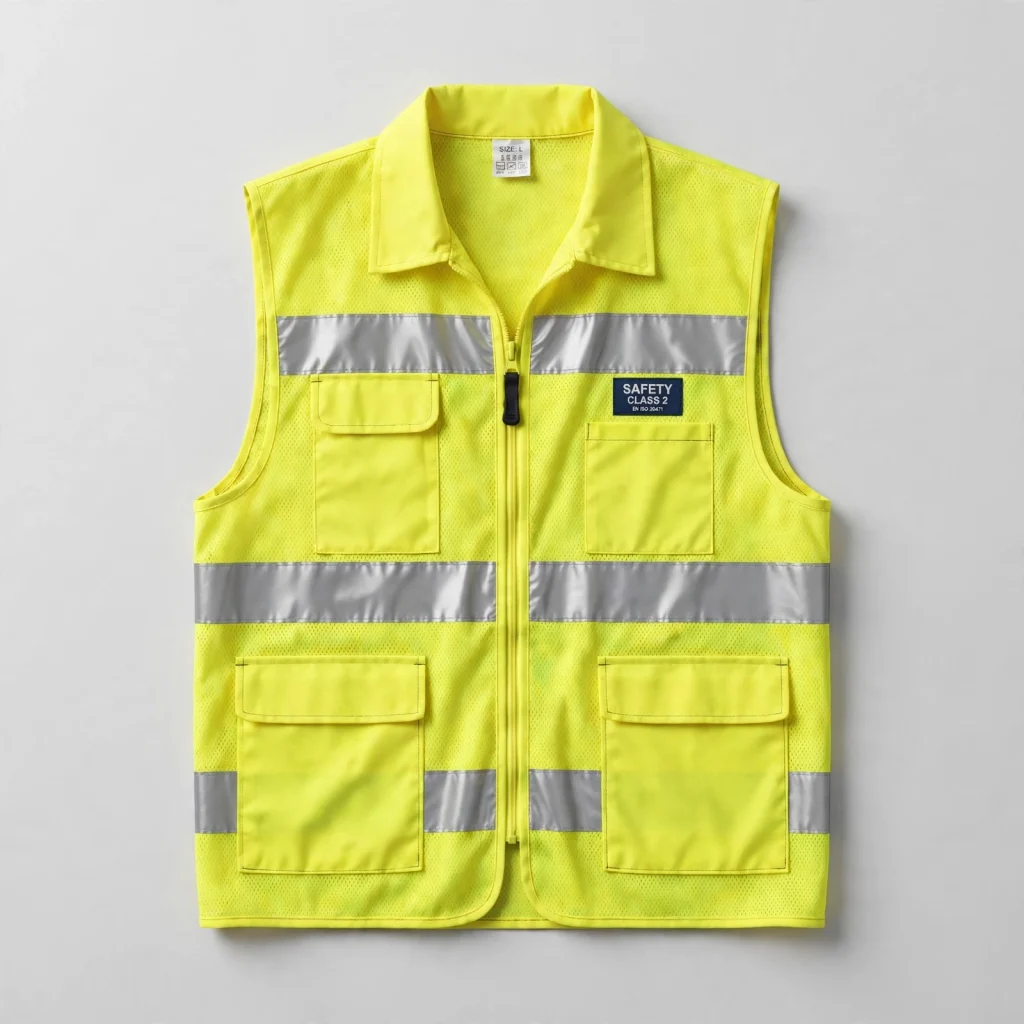 Custom Reflective VestsPrice on request
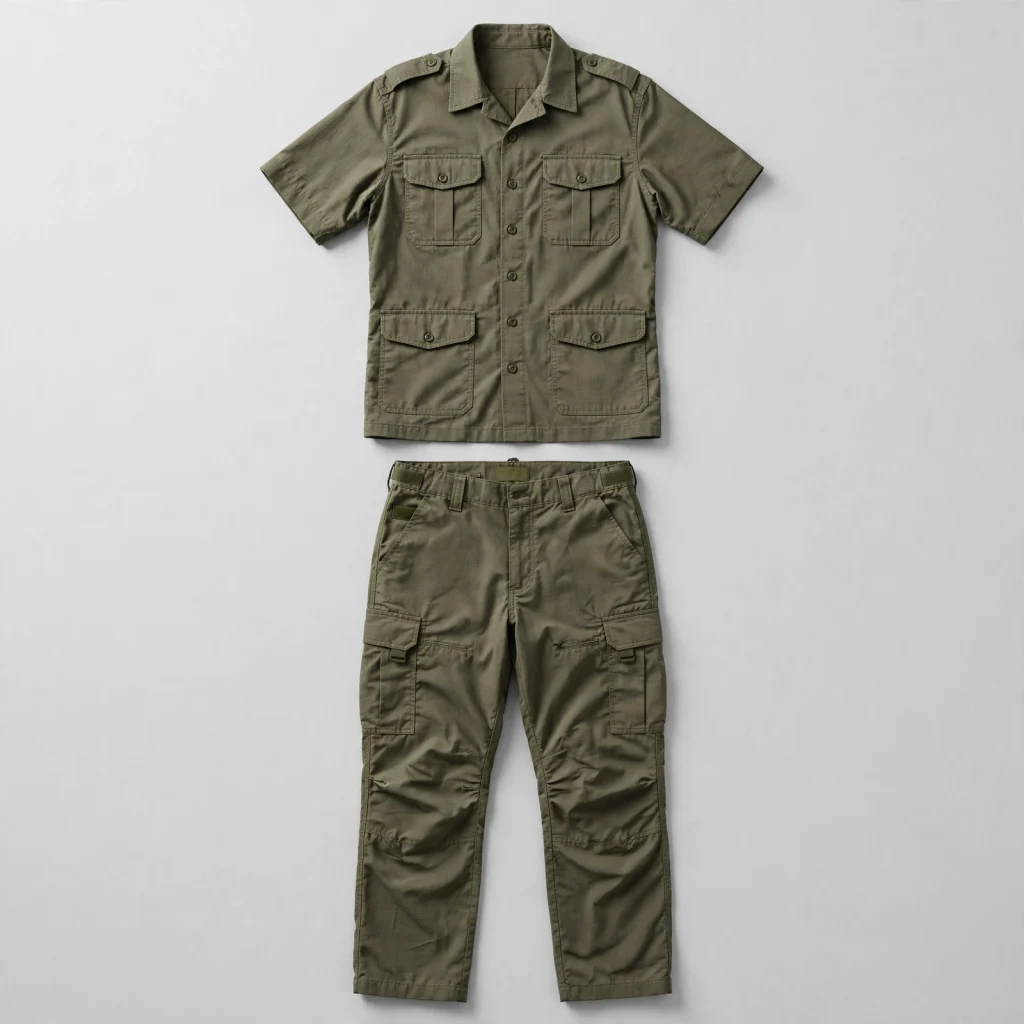 Custom Tactical ClothingPrice on request
 Custom UniformsPrice on request
 Custom Work PantsPrice on request
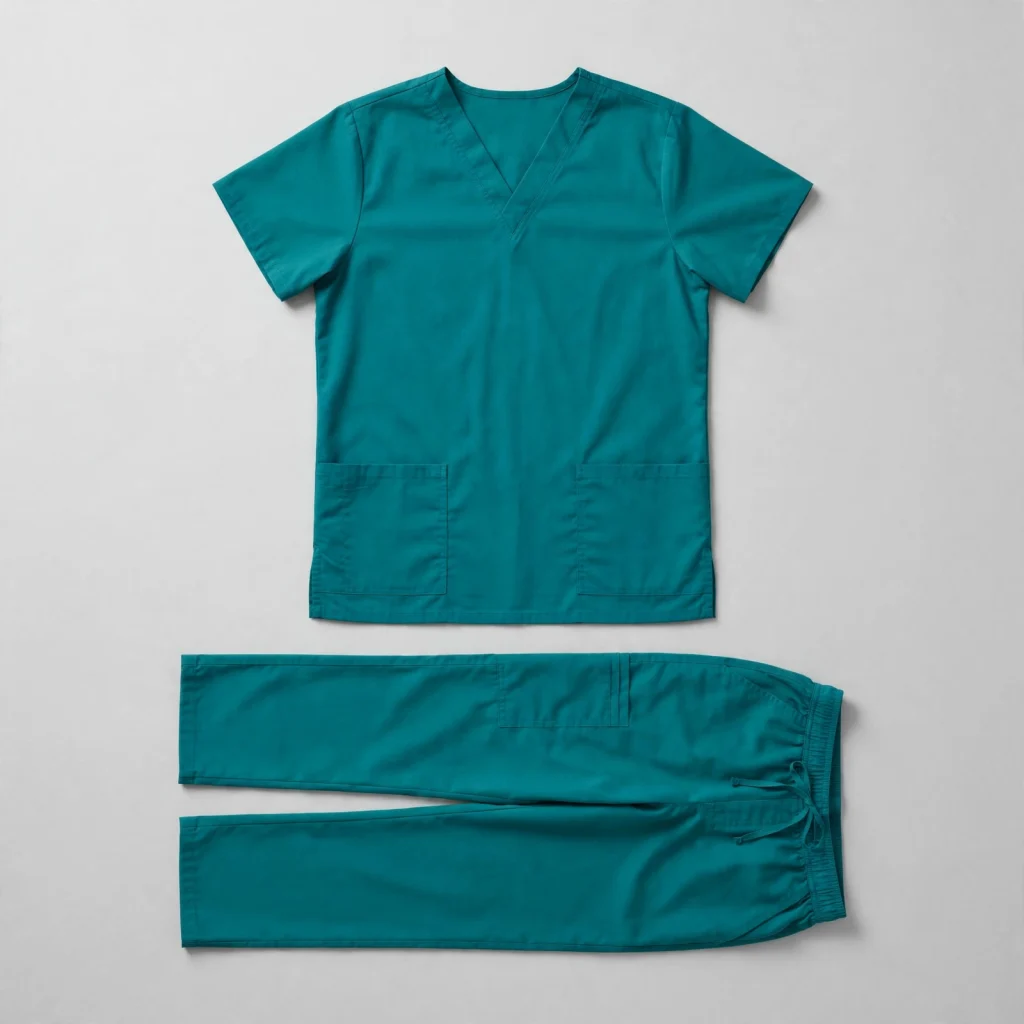 Hospital UniformsPrice on request
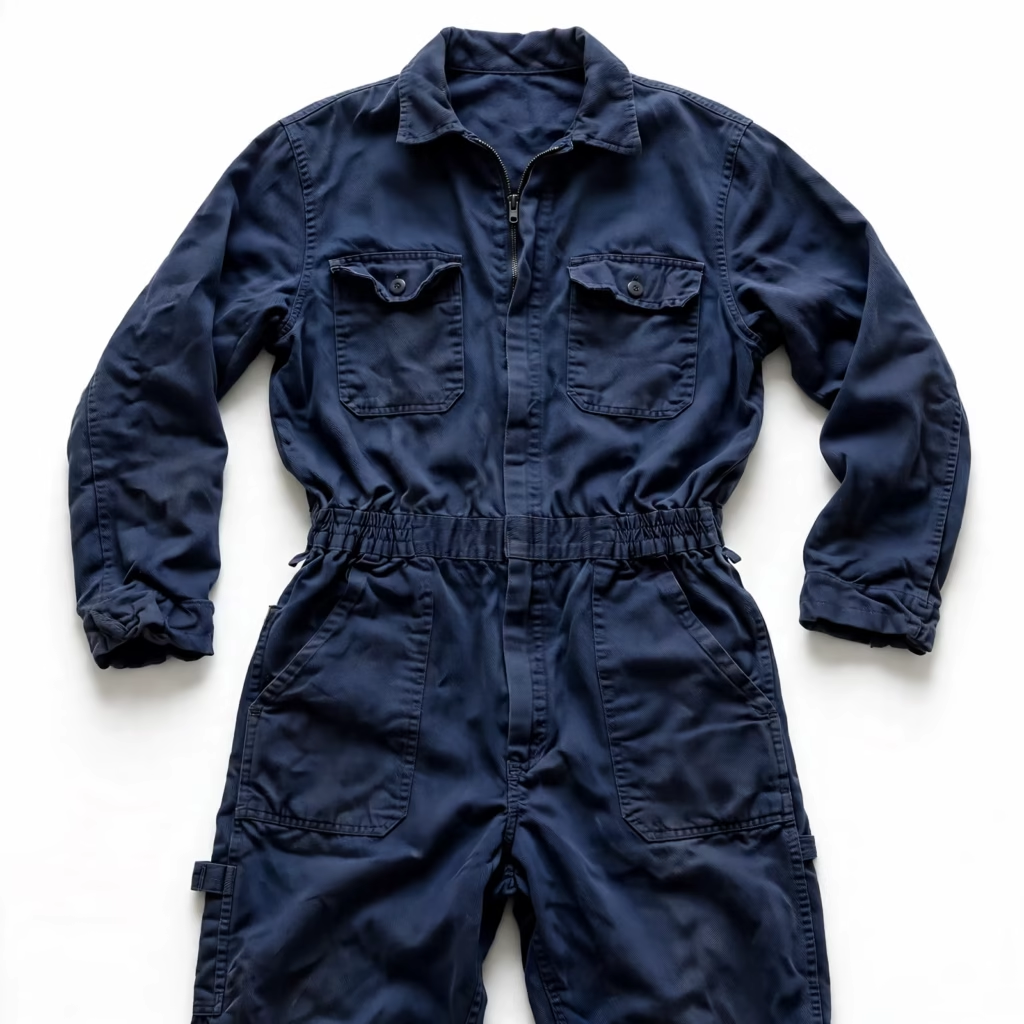 Private Label WorkwearPrice on request
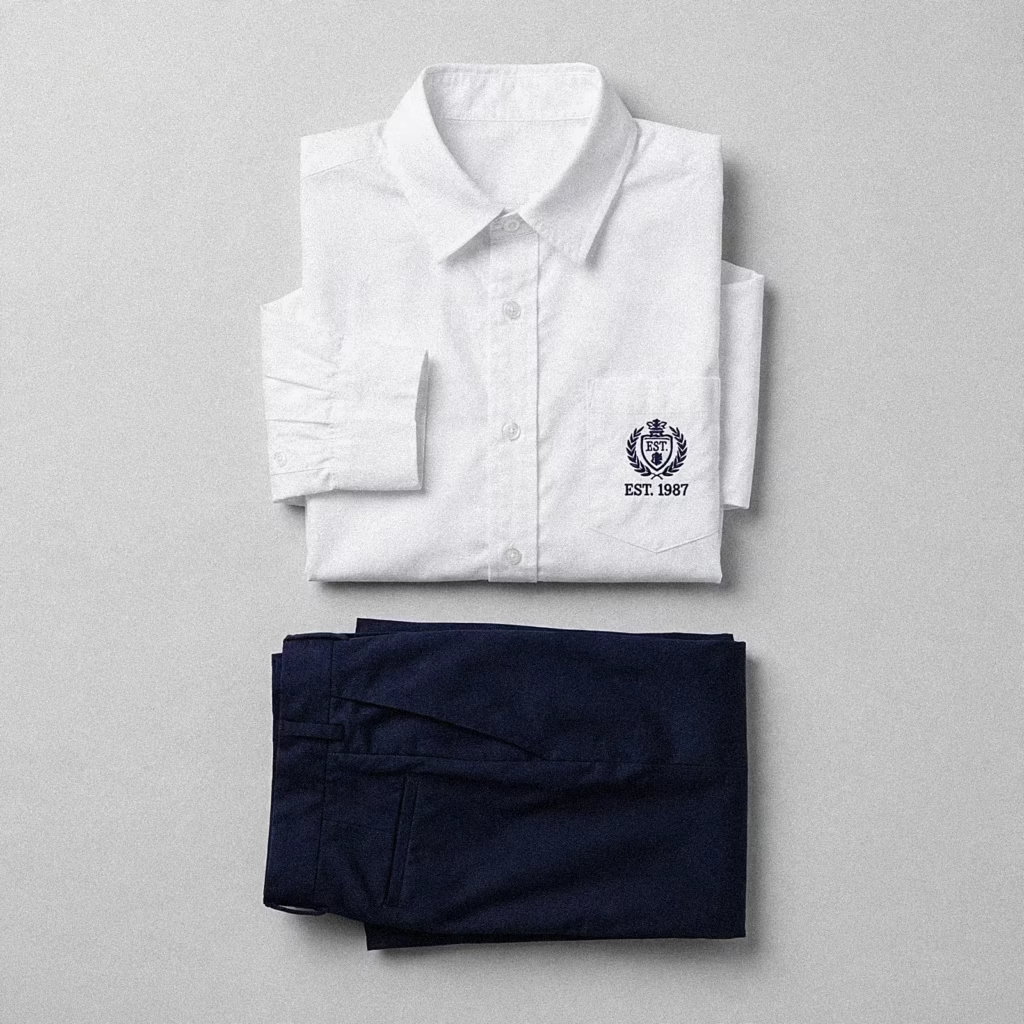 School UniformsPrice on request
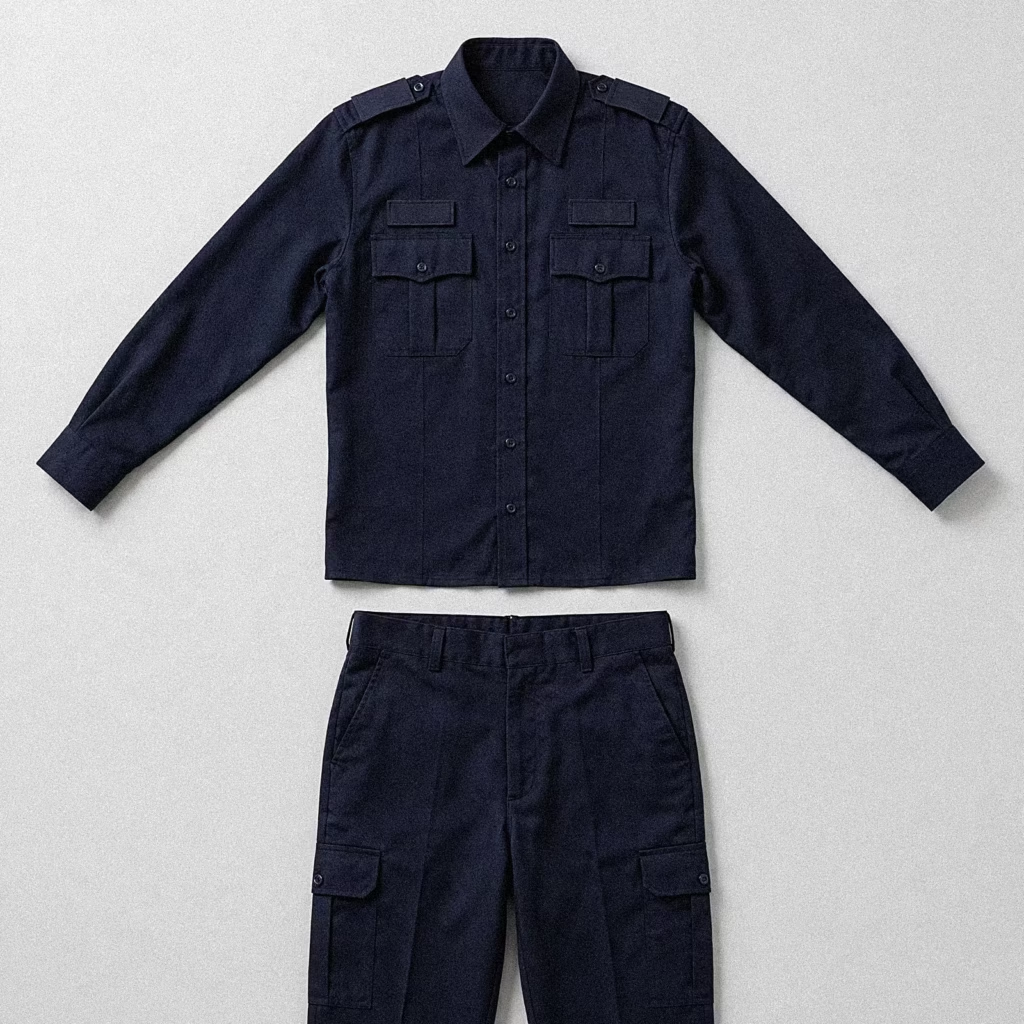 Security UniformsPrice on requestWorkwearPrice on request
Uniforms & Workwear
As a workwear manufacturer in Bangladesh we build the clothing people work in: workwear sets and work pants, coveralls and overalls, hi-vis workwear and reflective vests, hospital uniforms and scrubs, chef uniforms and aprons, security uniforms, school uniforms, military and tactical styles, all made to order. Employers, uniform suppliers and importers in the USA and Canada order the largest share of this group, with standing programmes from the UK, Germany, Spain, France, Portugal, Belgium, the Netherlands, Poland and the Czech Republic. A uniform is a promise repeated across hundreds of wearers, so consistency matters more here than in any other group. Nothing is held ready made: every style is built to your specification, your colours and your label.
Made in Bangladesh, to your specification
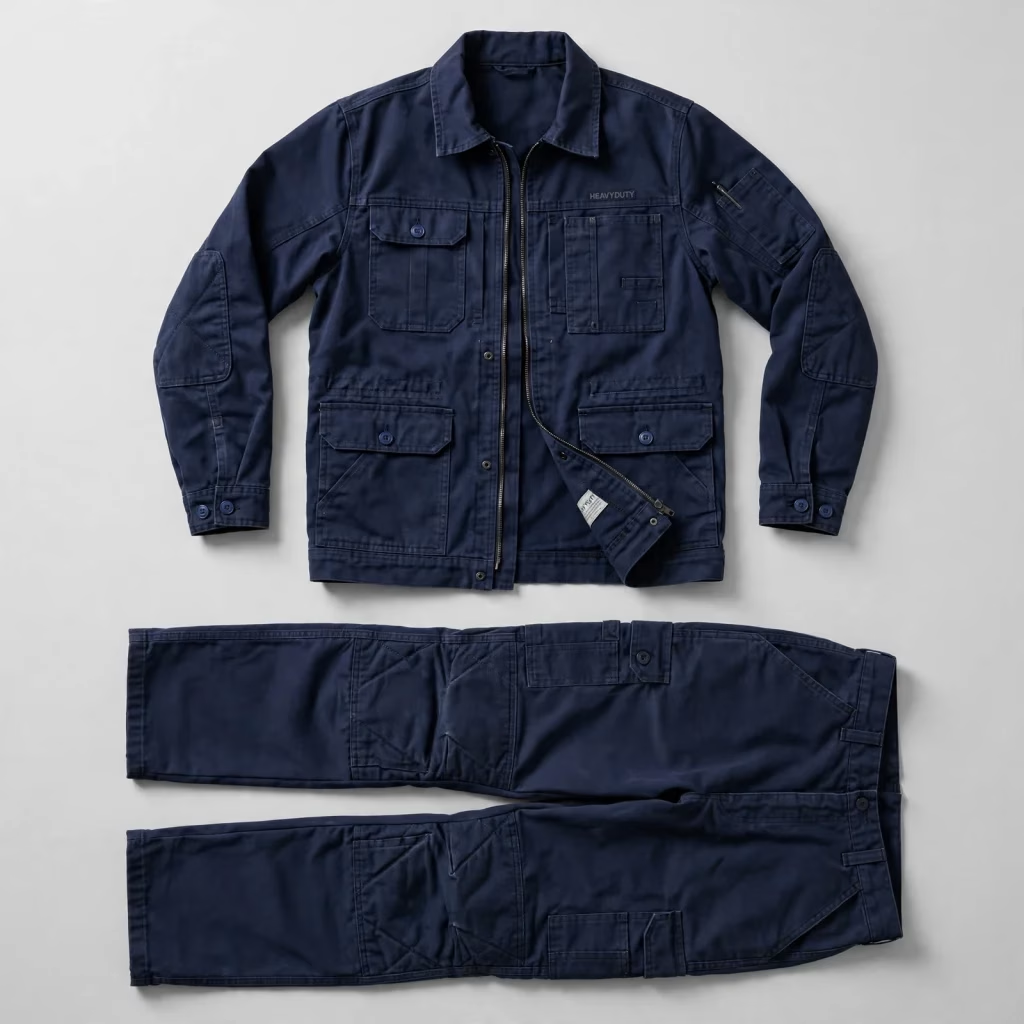
The group covers several trades, and each trade's garment answers a different working day. Our workwear anchors the industrial side: shirts, trousers and sets in hard-wearing twill for factories, logistics and field crews. Coveralls and overalls protect the wearer's own clothes in workshops and plants. Hi-vis workwear and reflective vests handle visibility on roads, sites and yards, with fluorescent fabric and reflective tape placed to your layout.
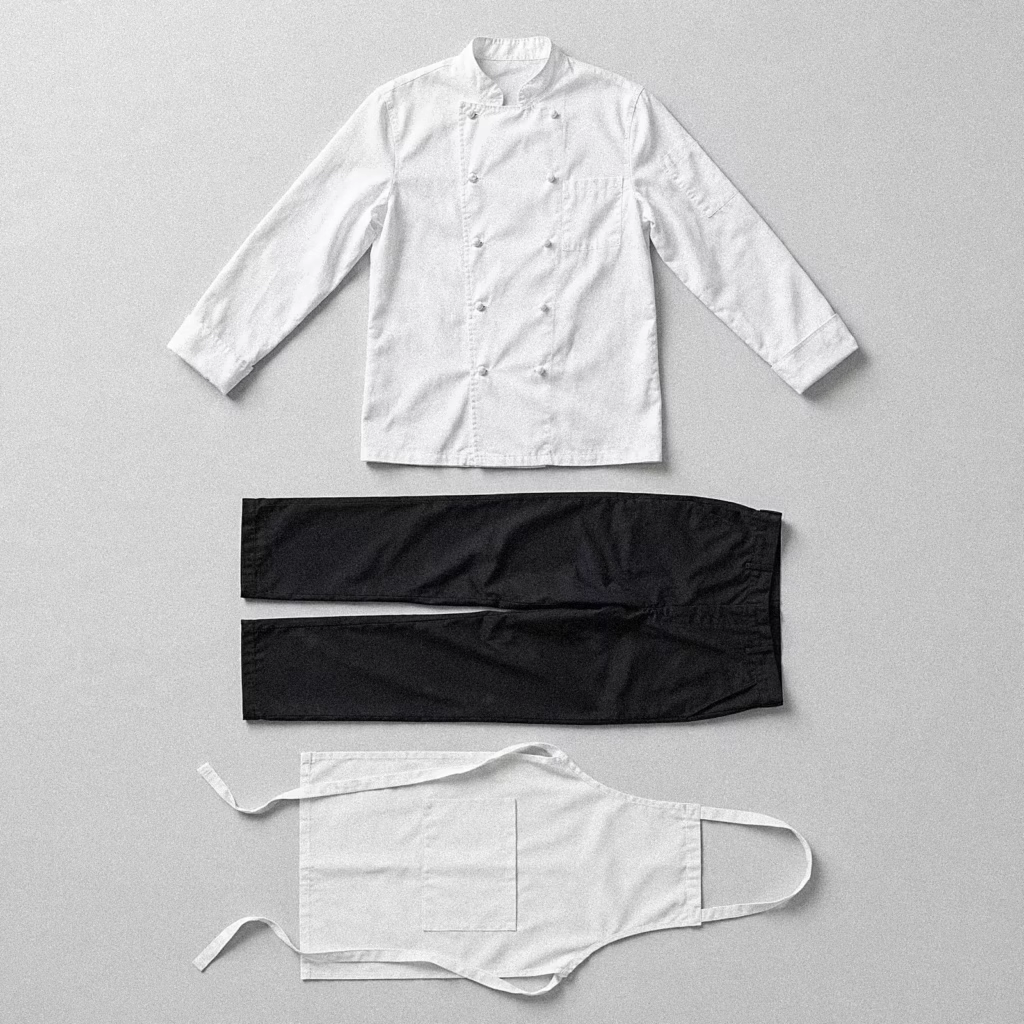
The uniform side is just as specific. Hospital uniforms cover scrubs, tunics and lab coats built for constant hot washing. Chef uniforms pair jackets with cloth buttons and aprons for kitchen heat. Security uniforms carry epaulettes, badge tabs and ID windows, and school uniforms run age-graded sets in school colours. Aprons, work pants, military and tactical styles complete the group.
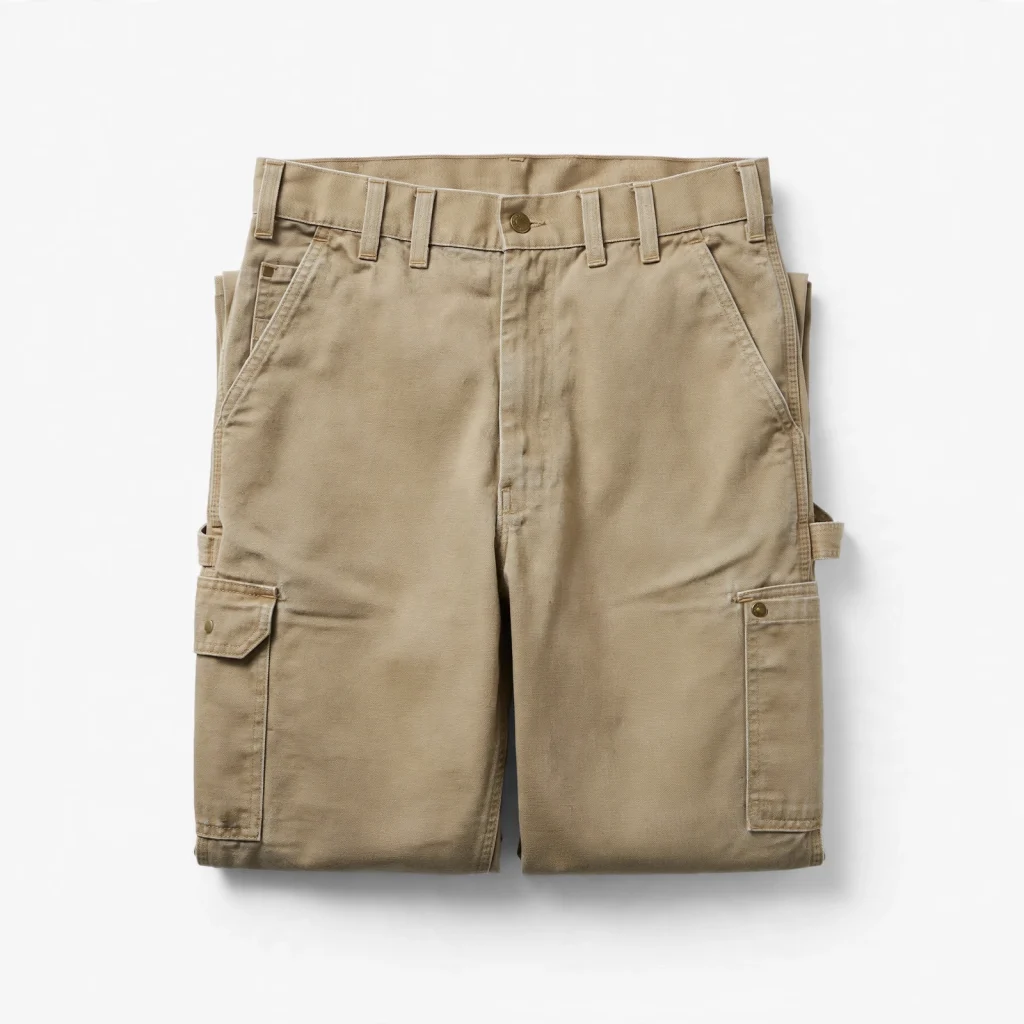
The supporting styles matter to a complete issue. Aprons serve kitchens, workshops and retail counters in cotton twill and drill, with split pockets and adjustable ties. Work pants carry the tool pockets and reinforced knees that a standard trouser cannot. Military and tactical styles follow a written specification closely, with the pocket layout, fastenings and colour set by the buyer's document rather than by fashion.
Your specification settles the working details: pocket layouts for tools and radios, pen pockets on sleeves, reinforced knees, name embroidery positions, the exact shade of a corporate colour. Send the specification or a uniform you already issue, and the sample is built against it, because a uniform programme is judged by the wearer on the first shift.
Fabric and weight options
Workwear cloth is chosen for the wash cycle and the working day, not the photograph. Poly cotton twill, drill, canvas and ripstop between 140 and 320 GSM cover most industrial programmes: the polyester holds colour and shape, the cotton keeps the garment comfortable, and the heavier grades take abrasion. Hospital and chef styles use lighter poly cotton poplin and twill that wash hot, dry fast and press clean, because those garments are laundered after every shift.
Hi-vis styles start from fluorescent polyester fabrics with reflective tape sewn in the layout your programme specifies. School uniforms use cotton rich twill and jersey that survive a school year of washing in family machines. At sampling you receive the real cloth options for each style in your programme, with honest guidance on what each fabric does under your laundry route, because the cheapest cloth is expensive when the colour fades by the third month.
Customising: print, embroidery and your label
Embroidery does most of the branding in this group: company logos on workwear chests, names on chef jackets and hospital tunics, school crests on blazers and jumpers. Stitch quality is set for twill and drill so the logo sits flat through industrial washing. Print covers larger marks, safety messages on hi-vis backs, and apron branding for hospitality programmes.
Uniform identity goes beyond the logo. Epaulettes in company colours, contrast piping, branded buttons and woven labels all come from your specification, and our custom uniforms and private label workwear carry your label plan through the whole kit. Where a programme mixes trades, the same label and colour standards run across workwear, hi-vis and aprons, so a whole site issue reads as one employer.
Fit, sizing and measurement
Workwear sizes run XS to 3XL on standard charts, graded to your own chart where your programme works to one, and uniforms are often ordered by wearer list rather than by ratio. School uniforms run age-based size runs from early years upward, with length options where schools ask for them. Fit is practical, not fashion-led: room to work in the shoulders and knees, lengths that stay safe around machinery, and waistbands that hold through a shift.
Buyers in the USA and Canada usually spec in inches and order deep runs in the middle sizes. Buyers in the UK and across Europe usually work in centimetres, and public-sector programmes there often arrive with a written garment specification we build to line by line. A workwear manufacturer in Bangladesh who measures honestly keeps a uniform programme stable for years, because wearers reorder the same size and get the same garment.
Quality control and packing
Inspection targets the working points: bartacks at pocket corners and stress seams, button and snap security, reflective tape alignment and adhesion of print through a wash test where the programme calls for it. Colour consistency is checked across the whole order, because a uniform issue where the third box is a shade lighter fails in front of the whole workforce. Measurements are recorded against the chart for the inspection file.
Packing can follow the wearer, not just the size run. Programmes that issue kit by name can be packed per wearer, sets together, labelled and ready to hand out. Standard orders pack by size and colour with your barcodes, cartons marked so your stores team can book in and issue without re-sorting. That packing discipline is part of what a uniform supplier is really for. A packing list by wearer or by size travels in the lead carton, so the delivery can be checked without opening every box.
Who buys them
Employers buy direct for their own crews and staff: factories, logistics firms, hospitals and clinics, hotels and restaurant groups, security companies and schools. Uniform suppliers and importers in North America and Europe buy across the group to serve those employers under their own label, often holding workwear, hi-vis and aprons in one programme. Our bulk workwear serves the volume end of both.
The common thread is repeat ordering. Uniforms are reordered as staff join and garments retire, so the value sits in consistency: same fabric, same shade, same fit, same label, order after order. A workwear manufacturer who holds your patterns and colour references makes that repeat simple.
Questions buyers ask
Can one order cover several trades, like workwear, hi-vis and aprons?
Yes. Combined programmes are the normal pattern in this group, as long as the total order and the per colour and style quantities meet our minimums. The labels, colours and packing standards are set once for the whole programme, so every trade's kit arrives consistent.
Do your hi-vis garments meet ANSI or EN ISO standards?
Hi-vis classes depend on the fabric's certified background material and the tape layout, so we work honestly: send the standard and class your programme must meet with your enquiry, and we confirm against the actual fabric and layout before quoting. What we will not do is print a standard number on a garment that was never built to it.
Can uniforms be packed per wearer?
Yes. Send the wearer list with sizes, and sets are packed and labelled per person, ready to issue. It is a common request from employers and schools, and it saves your stores team the sorting work at the other end.
What do you need from us to quote?
Send the styles or a uniform you already issue, the fabrics, colours, sizes with quantities per size, and your logo and label plan. As your workwear manufacturer in Bangladesh we reply with a clear price and a sampling plan, and production follows the approved sample exactly.